Implement Fluid Ad Server
Integration Best Practices
Adserver API best practices
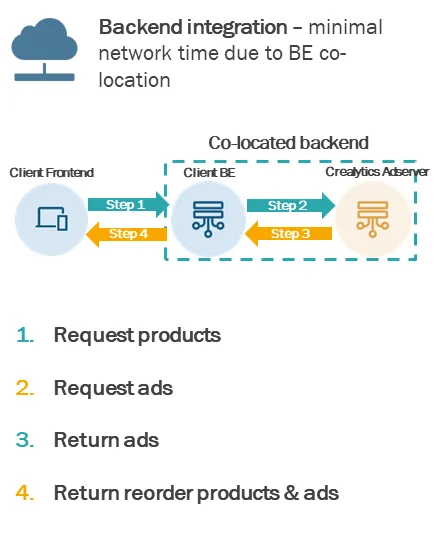
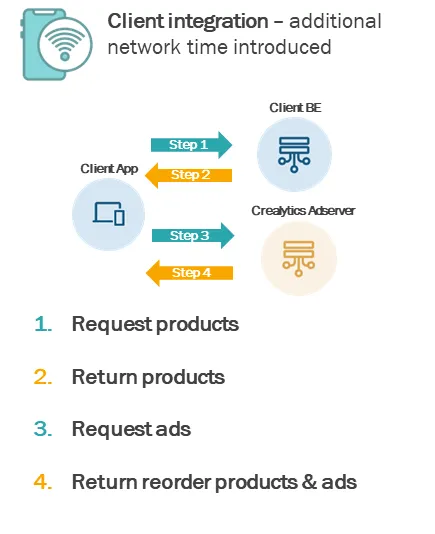
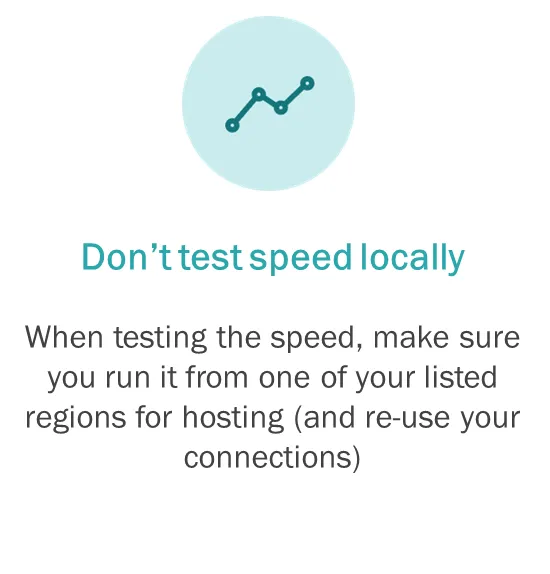
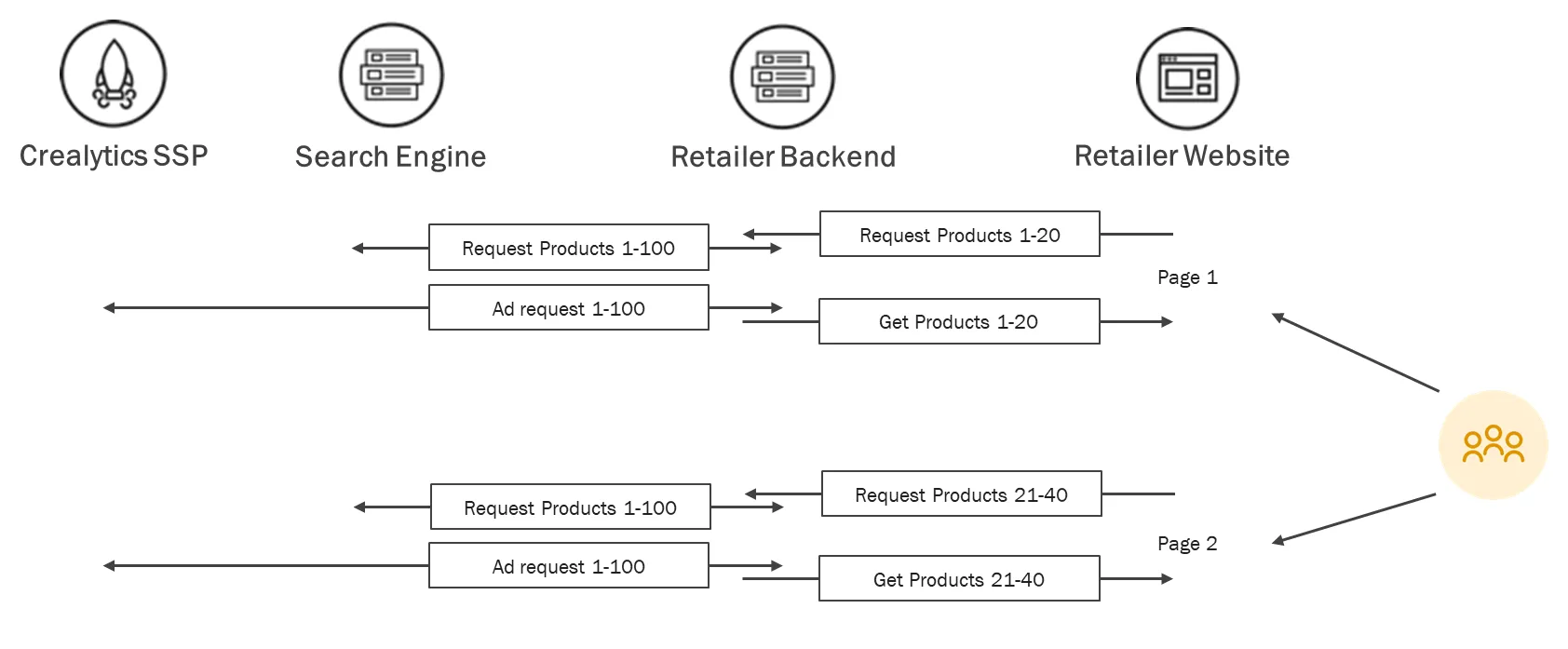
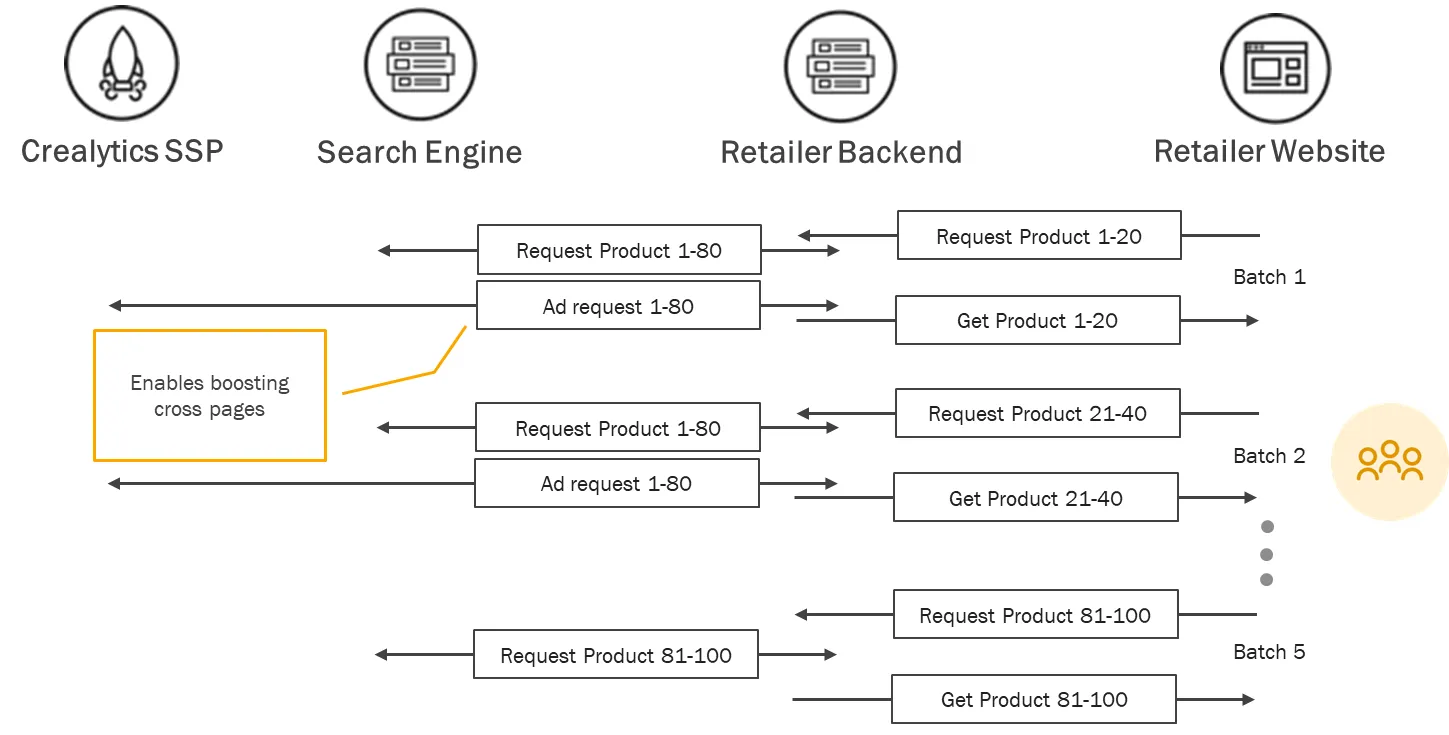
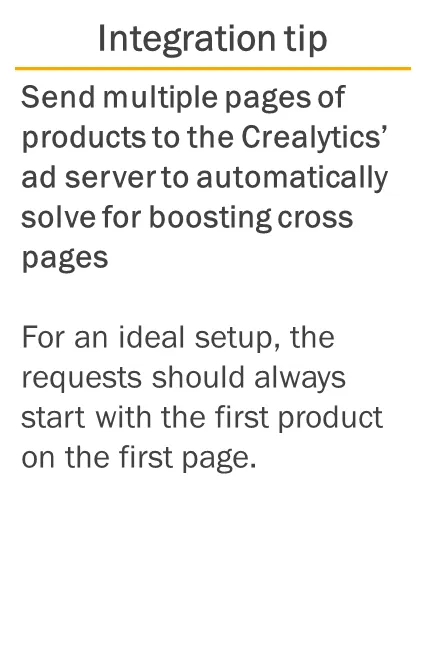
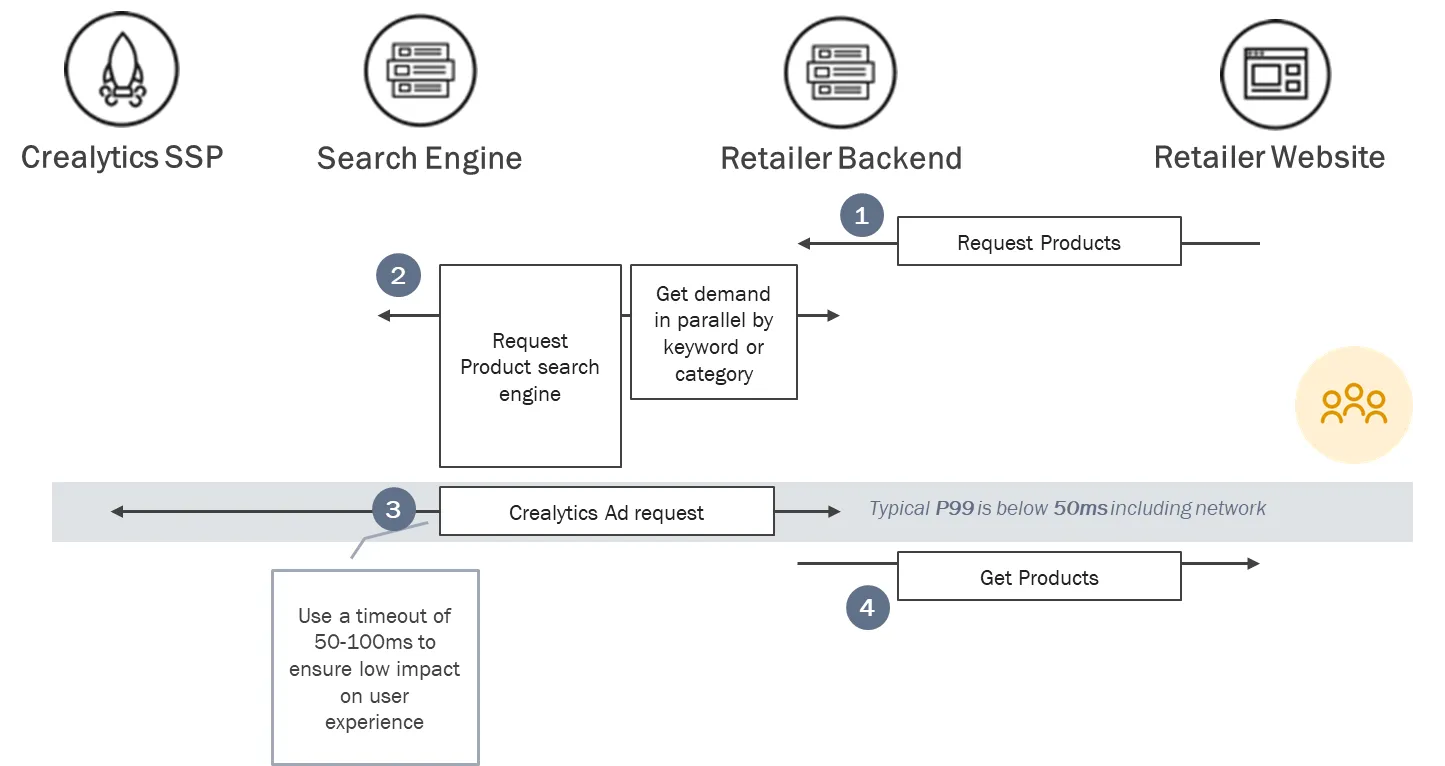
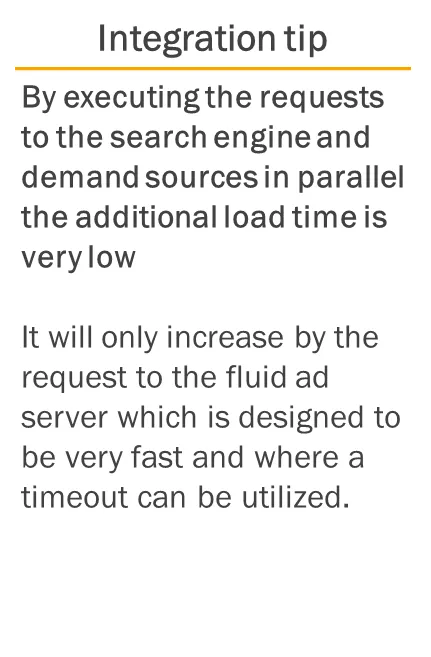
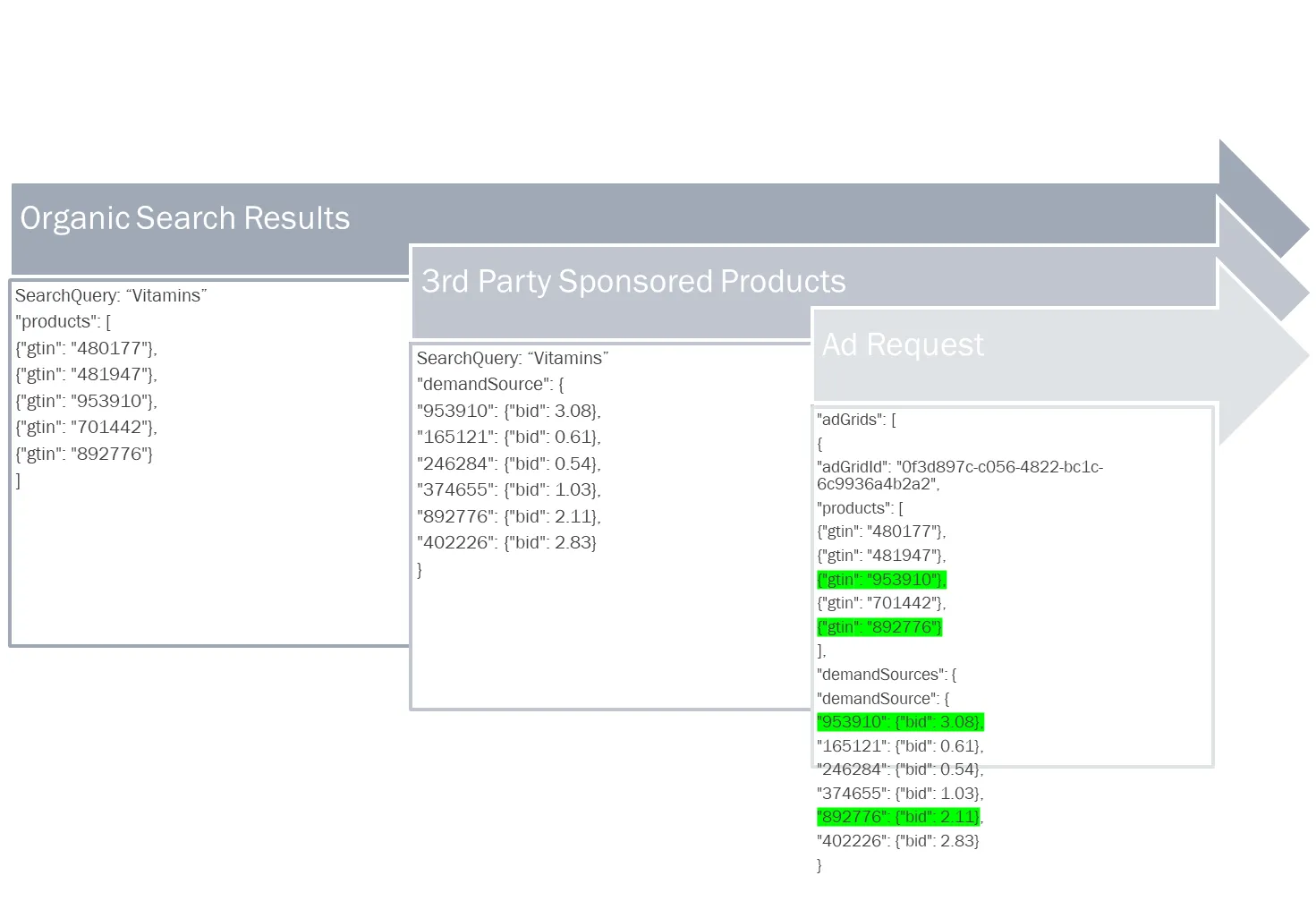
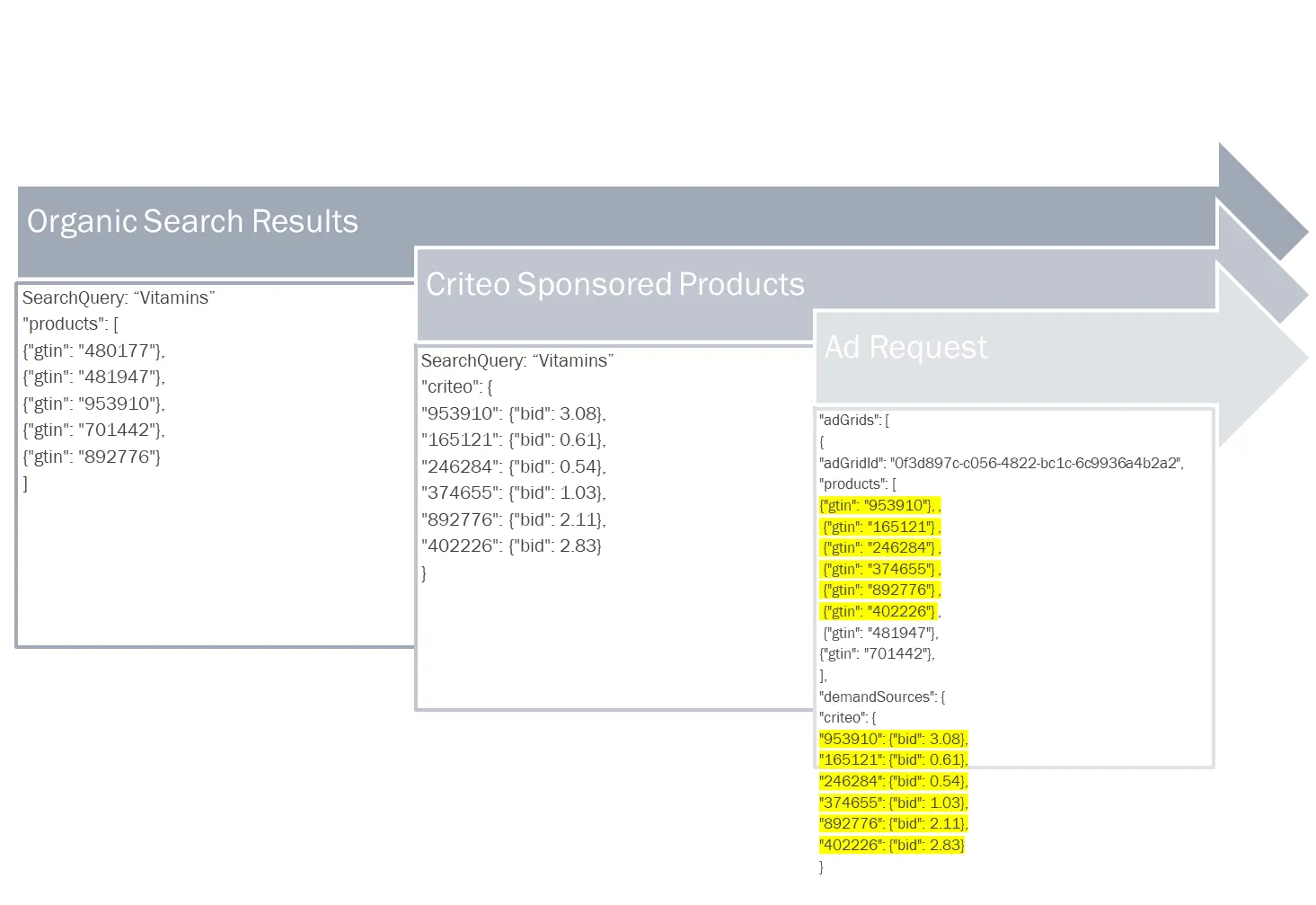
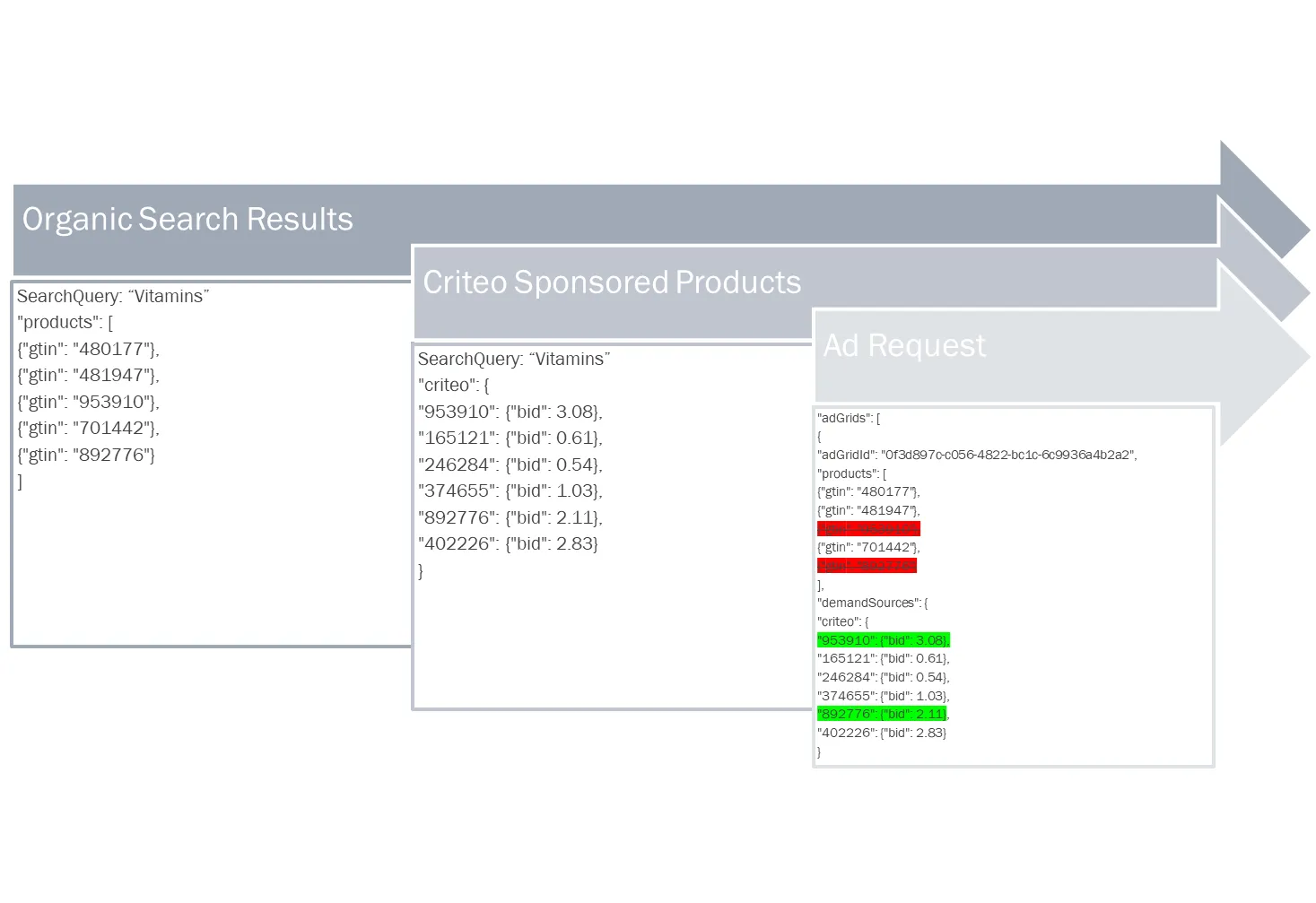
ad server api overview requirements the pentaleap adserver api is used to request and receive ads from the pentaleap retail media platform there are two variations of the api implementation based on your use case standard use case sourcing all campaigns directly from pentaleap and api synced demand sources (such as skai or pacvue) 3rd party demand use case sourcing some or all demand from an existing third party or demand platform in both cases, the api implementation remains the same however, the 3rd party demand use case requires the use of our docid 6z7pzxwibktgjwfyfrmws implementation types backend vs client implementation backend integration has the benefit of minimal, consistent network time between client and pentaleap adserver – app integration may add latency component type suggested integration recommended ways to integrate the different components backend requests ad request ensures low network latency with backends hosted in same regions conversion events in the backend to keep data hidden and prevent tampering frontend requests impressions in the browser which is aware if an ad on the screen or not data in tracking urls are encrypted clicks in the browser which is aware of click events data in tracking urls are encrypted best practices ad server api call accurate metadata ensure that all metadata (e g , ad unit id, userid, search query, and category information) is accurate and complete to enable precise targeting and tracking timely api calls make api calls as soon as the final list of products to be shown is known to ensure real time ad delivery and relevance verify endpoints and dns for each environment, pentaleap will provide a set of endpoints, dns, publisher, and site ids verify that you are calling the correct endpoints for each environment to avoid misrouting and ensure data integrity optimizing and testing connection speed organic products, cross page boosting and third party demand most integrations send 40 100 products this gives us more relevant ads and better ad performance ideal integration solves for cross page boosting and better overlap batches of products can be split out in the backend or front end in various ways sourcing (third party) demand in parallel to search requests reduces latency implementing timeouts on ad requests guarantees that impact on speed is minimal demand sources & ad request logic desired behavior when relying solely on third party sources for ad demand, it's beneficial to ensure that there's significant overlap between the products featured organically and those with bids from the demand source this practice enhances the relevance of the displayed ads for the end user, leading to better click through rates (ctr) for the brands and retailers involved undesired behavior it's advisable to refrain from inserting demand source products into organic listings to achieve overlap doing so can create an artificial scenario that may result in the forced promotion of irrelevant products, undermining the user experience undesired behavior removing duplicates is also discouraged since it reduces the chance of achieving any overlap between organic and sponsored products this limitation can decrease the opportunity for products to be sponsored, while simultaneously increasing the likelihood of promoting irrelevant items